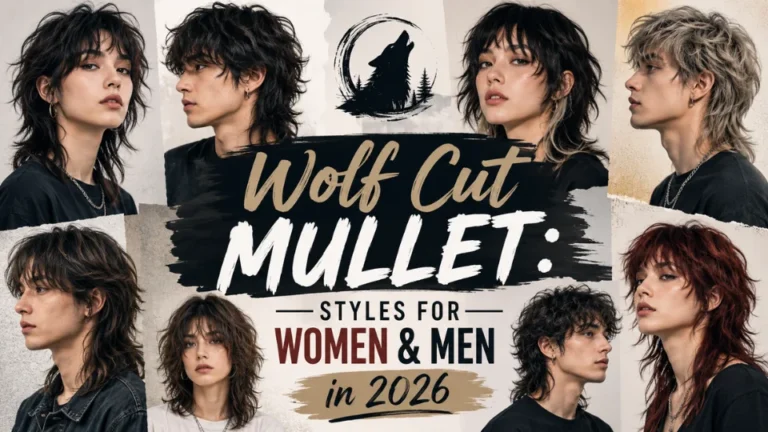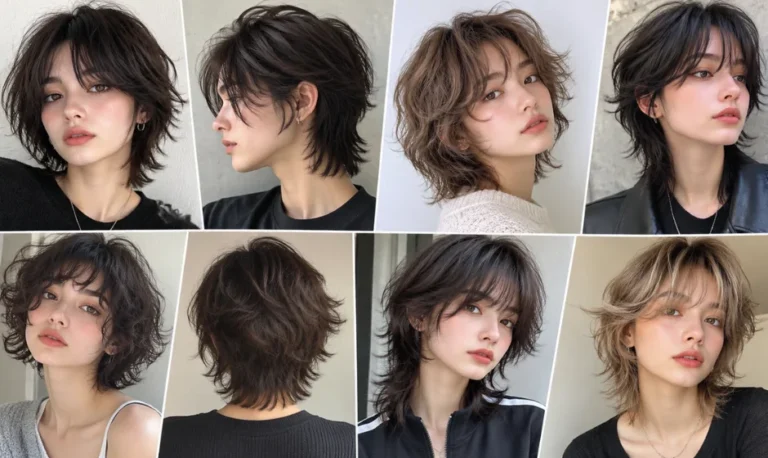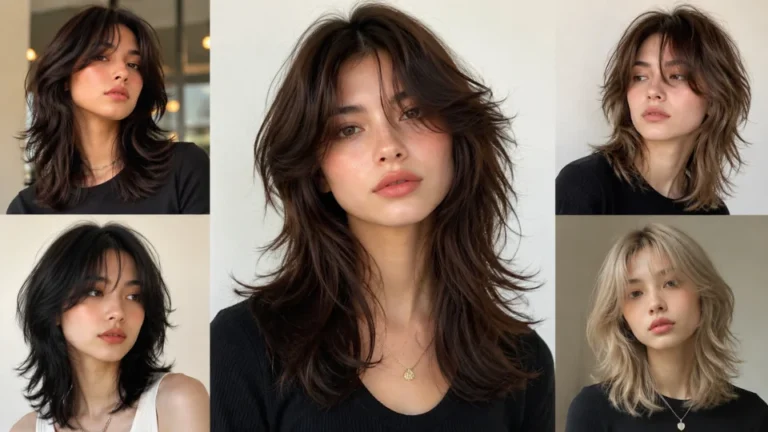
Curly Wolf Cut: 24 Best Styles, Tips & How to Style
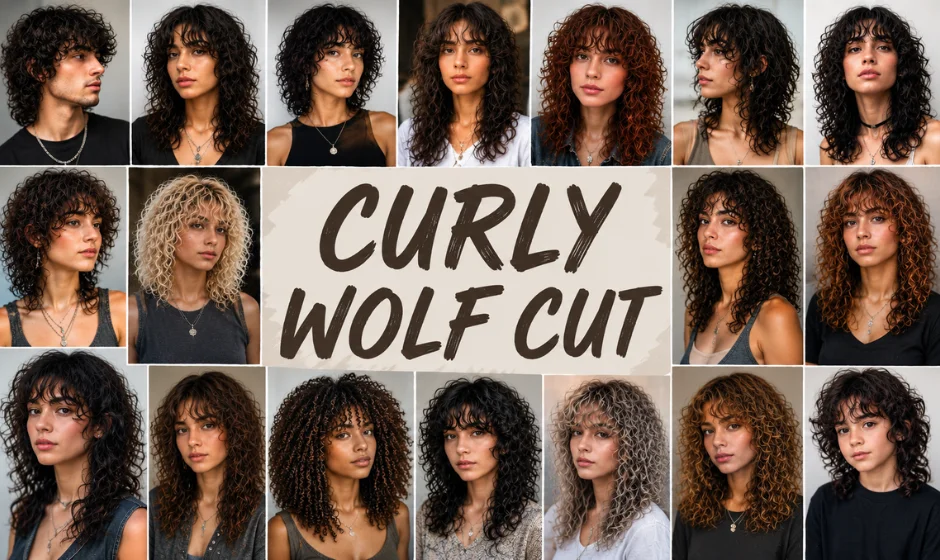
Want a haircut that makes your curls look fuller and more textured? A curly wolf cut could be the change you’re looking for. It combines choppy layers, natural volume, and plenty of movement.
But there’s one thing to know. A wolf cut can look very different on different curl patterns. Your hair length, density, and shrinkage all matter.
From short and bouncy cuts to long layers, fringe-free styles, and mullet-inspired looks, there are plenty of options to choose from. Below, you’ll find the best styles, plus practical tips for choosing and styling the cut.
Discover the Curly Wolf Cut Style That Fits You Best
The right curly wolf cut depends on more than just the style you like in a photo. Your curl pattern, hair length, and natural volume can change the final shape. A good cut should work with your curls, not against them.
From short and bold looks to long, soft layers, you have plenty of options. The styles below will help you compare different lengths, textures, bangs, and finishes.
1. Curly Wolf cut
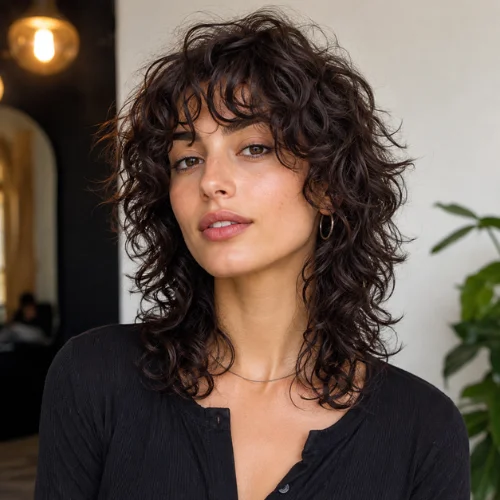
A curly wolf cut combines heavy texture, shorter layers, and longer lengths into a shape that feels bold without requiring perfectly styled hair. Because curls already create movement and volume, the haircut can look especially dimensional when the layers are placed carefully.
The key is not to copy one photo exactly. Curl pattern, density, shrinkage, and your preferred length can all change how the finished cut looks. Stylists interviewed by Byrdie and InStyle also emphasize that the amount and placement of layering should be adapted to the wearer’s texture and desired result.
If you are considering the cut, the options below can help you decide which shape, length, fringe, and styling approach fits your hair best.
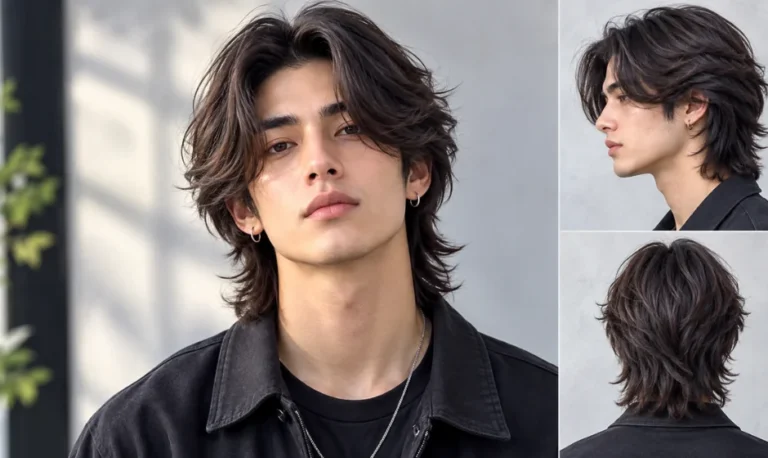
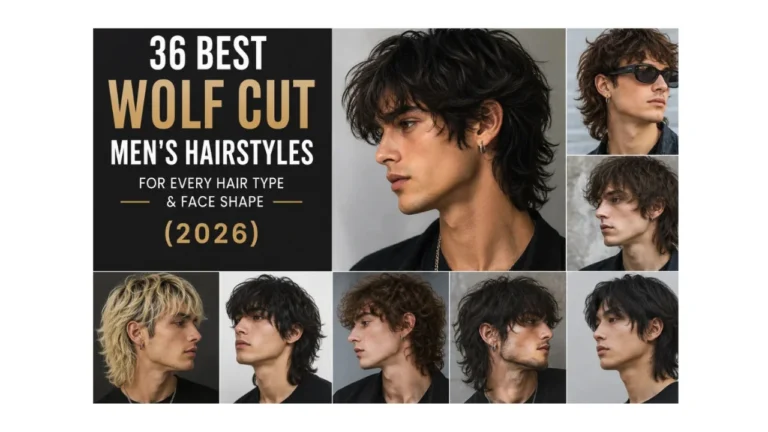
2. Curly Wolf cut Man.
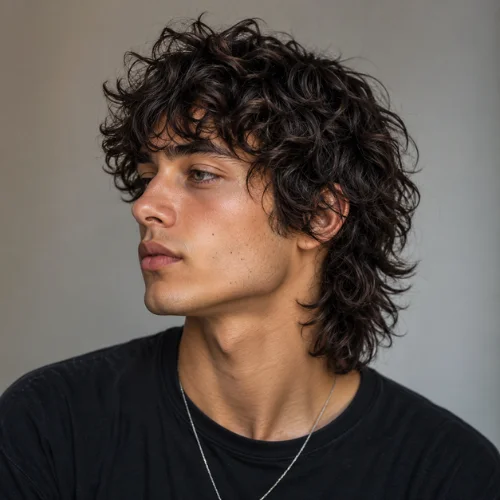
A curly wolf cut man style can range from a compact, textured shape to a longer cut with loose curls around the sides and back. The defining feature is the contrast between shorter layers toward the top and more length through the lower sections.
For a sharper appearance, shorter layers can create more lift around the crown. For a more relaxed result, keeping additional length through the sides and back allows the curls to fall naturally.
Before choosing a reference photo, consider how your hair normally behaves. A dense curl pattern may create considerably more volume after layering, while looser curls may need a different amount of separation to achieve the same silhouette.
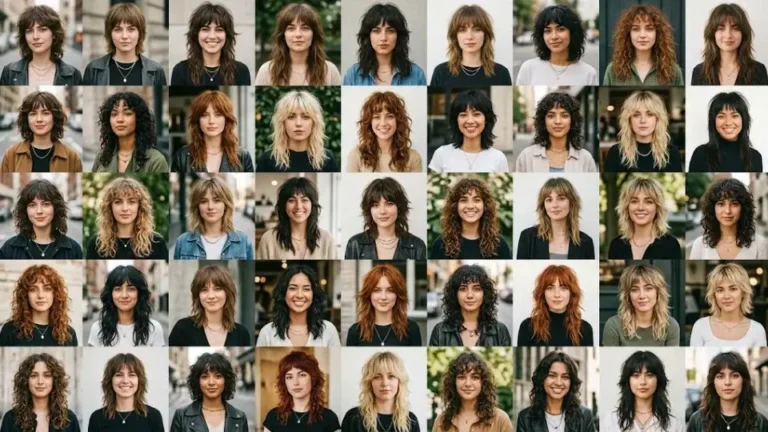
3. Curly Wolf Cut Women
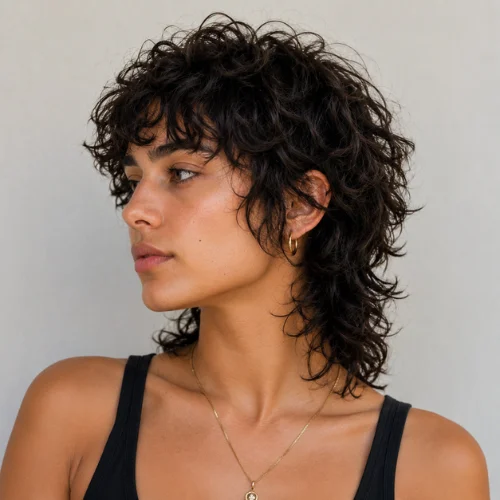
A curly wolf cut women style can be adapted to almost any preferred length, from cropped shapes to long, flowing curls. The biggest difference between versions is usually where the shortest layers begin and how strongly the face is framed.
Longer layers tend to create a softer result, while shorter, more disconnected layers create a stronger, more dramatic shape. This distinction is also reflected in expert advice covered by Byrdie, where longer layers are recommended for softer finishes and shorter layers for a more intense look.
If you frequently wear your curls naturally, choose a shape that works with their existing pattern rather than one that depends on heat styling every morning.
4. Short Curly Wolf cut
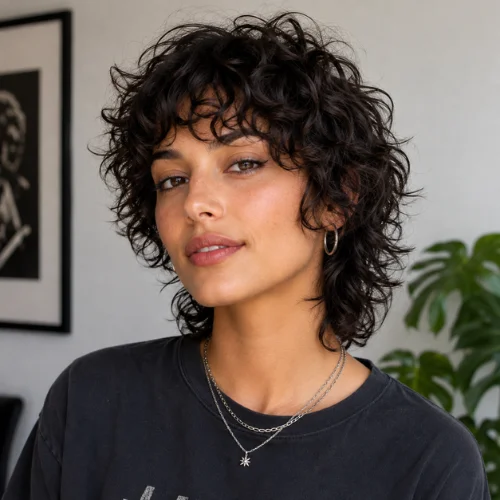
A short curly wolf cut puts more emphasis on the crown, face, and texture. Shorter layers can make curls spring upward and give the haircut a fuller appearance without relying on length.
This version works particularly well if you want a noticeable change without keeping long hair. However, the shorter the layers become, the more important curl shrinkage becomes. A section that appears long while wet can sit considerably higher once dry.
Ask for the finished length to be considered in your natural curl pattern. If you want a soft rather than highly dramatic shape, keeping some weight through the lower sections can prevent the cut from becoming too compact.
5. Long Curly Wolf cut
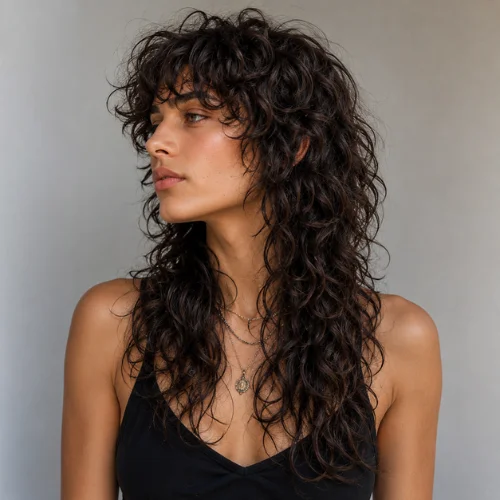
A long curly wolf cut keeps more length through the back while still using shorter layers near the crown and face. This makes it a useful option if you want the movement of a layered cut without giving up your length.
Longer versions can also provide more styling flexibility. You can leave the curls loose, pull sections back, or create partial updos. The longer shape is generally less visually abrupt than a cropped version.
If you sometimes straighten your hair, tell your stylist before the cut. A layer pattern that looks balanced in curls may behave differently when the hair is worn straight. Byrdie specifically notes that people who switch between natural curls and sleek styling may need an adapted layering approach.
6. Wolf cut on curly hair
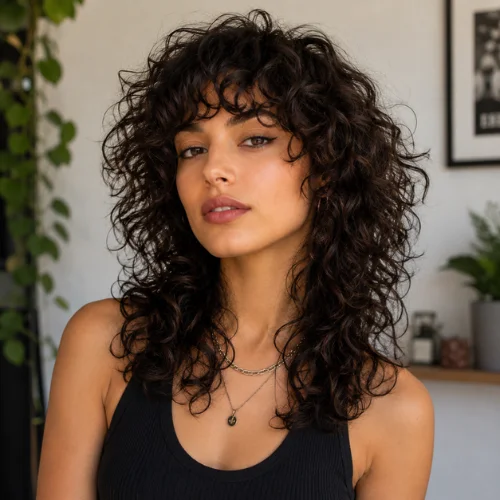
A wolf cut on curly hair works because the natural texture adds movement to the layers. Instead of needing to create texture with styling tools, the curls themselves help separate the different sections of the haircut.
The cut is often described as sitting between a shag and a mullet. Compared with a softer shag, it can have shorter layers and more noticeable differences between lengths.
The most important consideration is balance. Removing weight from heavy curls can make them spring up and look more defined, but taking away too much can make the lower sections look sparse.
Hair density matters just as much as curl pattern. Thick hair can often handle stronger layering, while fine hair may need a more restrained approach. InStyle’s stylist guidance similarly points to keeping longer, less-layered shapes for thinner hair and being cautious about over-layering coily textures.
7. Curly wolf cut no bangs
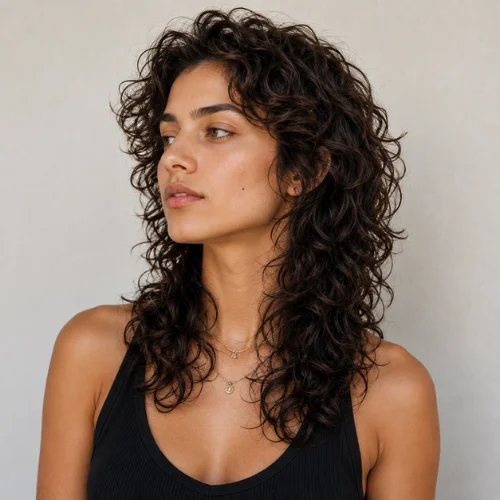
A curly wolf cut no bangs option keeps the forehead open and puts more attention on the layers around the face. It can be a good choice if you do not want the extra maintenance that fringe may require.
Without bangs, the front can be shaped through longer face-framing pieces that connect gradually with the rest of the haircut. This creates movement without making the fringe the main feature.
This option is also useful if your curls shrink significantly around the forehead. Instead of trying to predict an exact bang length, you can let the front remain longer and shape it around your natural curl pattern.
8. Short Curly wolf-cut Women
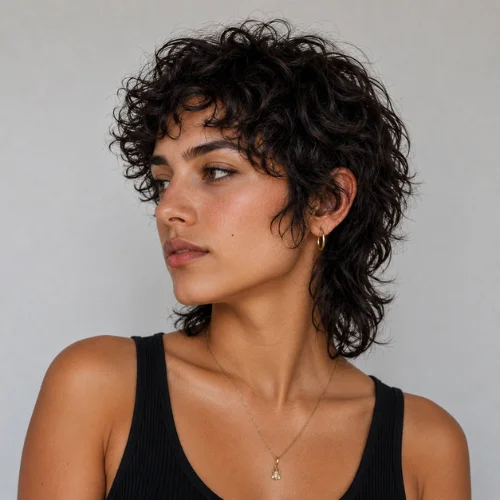
A short curly wolf cut women style creates a more compact and expressive shape. The shorter length makes the crown and face-framing sections particularly noticeable, so placement matters.
For a softer finish, keep the front slightly longer and allow the curls to form naturally around the face. For a stronger look, shorter layers can create more height and separation.
This style can be particularly appealing if you like texture that looks intentionally imperfect. You do not need every curl to sit in exactly the same position for the shape to work.
9. Curly Wolf cut Mullet
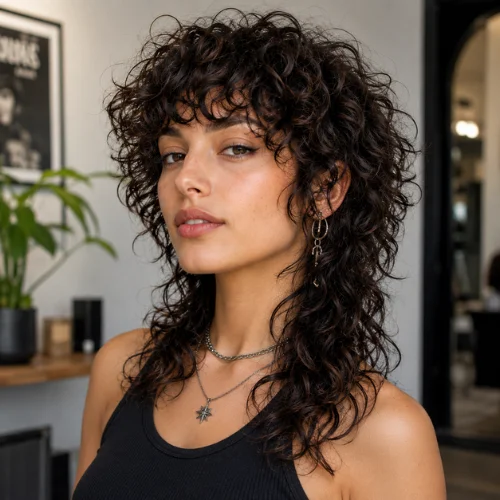
A curly wolf cut mullet pushes the haircut toward a more dramatic silhouette. The shorter upper layers contrast more clearly with the longer back, giving the style a stronger mullet influence.
The difference is mainly in how disconnected the sections feel. A softer version blends the layers more gradually, while a stronger version makes the change between the crown and back more obvious.
If your curls are very dense, discuss how much weight should remain in the lower sections. Removing too much from every area can make the finished shape appear wider or shorter than expected.
10. wavy curly wolf cut
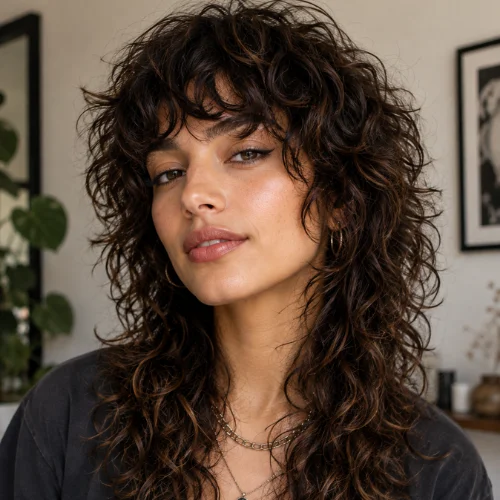
A wavy curly wolf cut tends to have a softer outline because waves do not always contract as strongly as tighter curls. The layers can therefore appear more elongated and relaxed.
This texture is ideal if you want movement without an extremely rounded shape. A softer wave pattern can also make the haircut easier to transition into a shag-inspired look.
Use lightweight styling products if your waves become easily weighed down. Too much product can flatten the crown and reduce the separation that makes the layers visible.
11. Curly Wolf cut with fringe
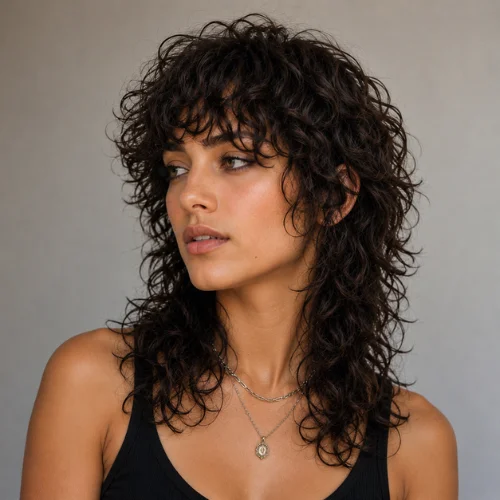
A curly wolf cut with fringe makes the front of the haircut more prominent. The fringe can be short and textured, longer and wispy, or shaped to blend into the face-framing sections.
The main issue is shrinkage. Curly fringe can appear considerably shorter after drying, so the desired dry result should be discussed before the cut.
If you want a softer appearance, a longer fringe can merge into the surrounding curls. A shorter fringe creates more contrast and gives the haircut a stronger, more noticeable edge. Stylists also recommend showing the exact starting point of the fringe and layers rather than relying only on a verbal description.
12. Shoulder-length curly wolf cut
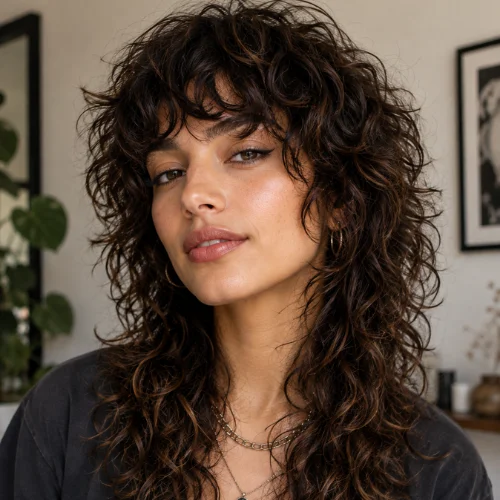
A shoulder length curly wolf cut offers a middle ground between a cropped style and a long version. There is enough length for the curls to fall around the shoulders while the shorter layers create movement near the crown.
This length can be especially practical if you want to keep some versatility. You can wear the curls loose or pull portions of the hair back without dealing with the extra weight of very long hair.
Be aware that shoulder-level curls may spring upward depending on their pattern. If maintaining a specific shoulder position is important, discuss shrinkage with your stylist before deciding on the cutting length.
13. Korean Wolf cut Curly Hair
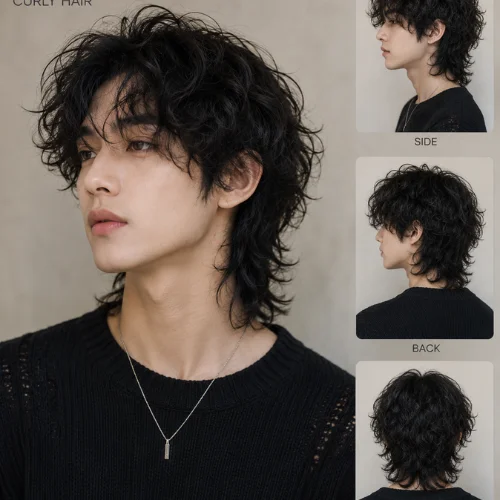
A Korean wolf cut curly hair style generally favors a more controlled, face-framing interpretation of the layered shape. Rather than making the back extremely disconnected, the emphasis can be on balanced layers and a polished silhouette.
Curly texture gives this approach a softer finish because individual curls naturally break up the edges of the layers. A Korean-inspired version can therefore work well if you like the wolf cut idea but do not want the most extreme mullet effect.
Reference photos are especially useful here because “Korean wolf cut” can describe several different shapes. Show the stylist the exact balance of crown volume, fringe, and length you want.
14. Medium curly wolf cut
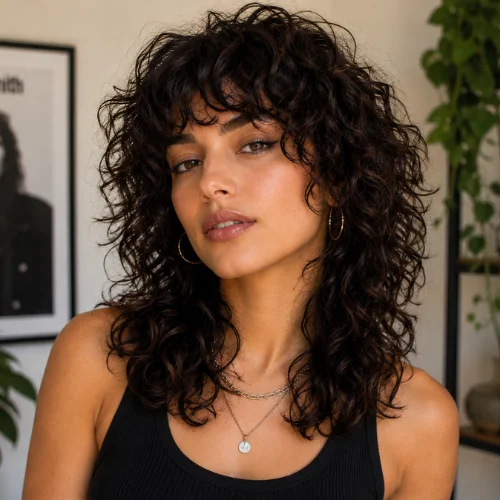
A medium curly wolf cut gives you enough length for visible curls while keeping the layered shape relatively easy to manage. It is also a flexible starting point if you are unsure whether you want to go very short or very long.
Medium lengths can emphasize both the crown and the lower curls, creating a balanced silhouette. If your hair is thick, the layers can help distribute weight. If it is fine, keeping the lower sections fuller can prevent the ends from appearing thin.
The exact result depends on your curl pattern, so the same reference photo may look noticeably different on two people.
15. Coily Wolf Cut
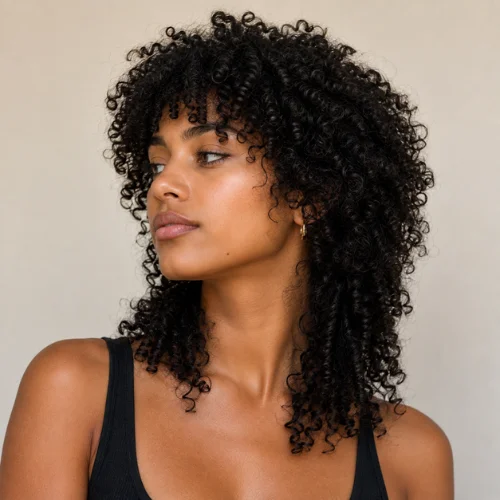
A Coily Wolf Cut needs particularly careful control of layering because tight coils can shrink dramatically and expand outward. The goal should be a shape that works with the coil pattern rather than fighting it.
Avoid assuming that more layers automatically mean more definition. Too many short layers can remove too much weight and create an overly compact or uneven silhouette.
InStyle’s expert guidance specifically warns that coily hair can become more square and lose bounce when it is over-layered.
A stylist should consider the coil pattern in its natural state and decide where the shortest sections can sit without creating unwanted bulk.
16. Soft Wave Wolf Cut
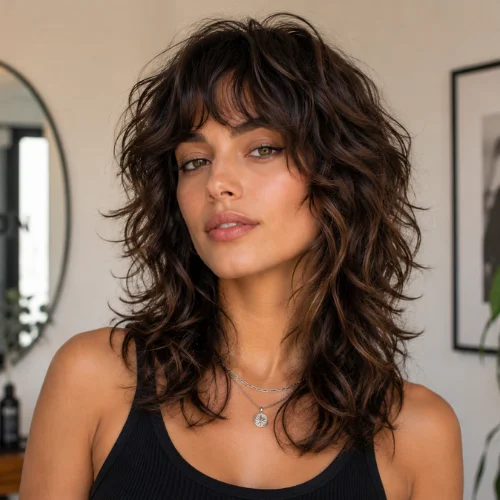
A soft wave wolf cut is a gentler interpretation of the layered shape. Instead of emphasizing sharp separation, it uses movement and softer transitions to create a relaxed finish.
This option suits people who like the overall character of a wolf cut but do not want a heavily chopped appearance. Longer layers can also make the haircut easier to wear in different ways.
For naturally loose waves, avoid heavy products that flatten the crown. A lightweight styling routine can preserve the airy quality of the layers.
17. Platinum Wolf Cut
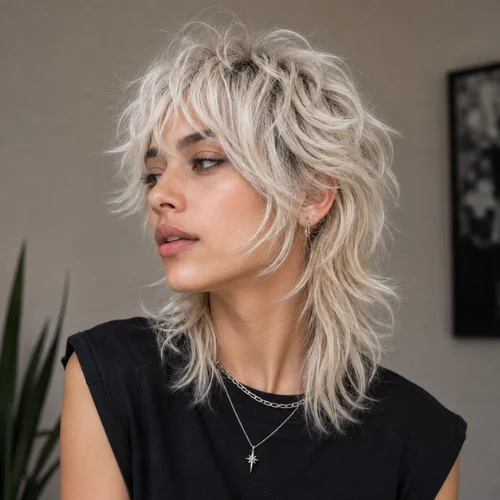
A Platinum Wolf Cut combines a very light hair color with the texture and layering of the cut. The pale color can make individual layers more visible, so the shape needs to be considered carefully.
Color-treated curls may require additional moisture because lightening can affect the feel and condition of the hair. If your hair is already dry or fragile, discuss its condition before combining a major color change with extensive layering.
For a softer shape, keeping more length and limiting the number of short layers can prevent the finished result from appearing too sparse.
18. Caramel Coil Wolf Cut
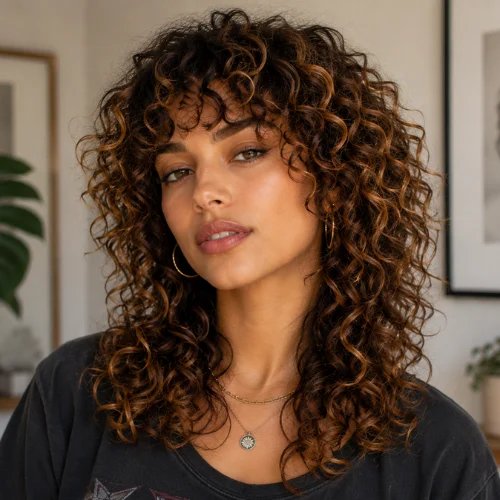
A Caramel Coil Wolf Cut uses warm highlights to emphasize the movement of coily texture. The lighter pieces can make individual curls and layers appear more dimensional.
This works particularly well when the color placement follows the natural movement of the coils instead of being applied as one uniform block.
Because color and layering both change the visual structure of the hair, it is better to keep the cut and color balanced. If the coils are already highly textured, subtle highlights may be enough to create dimension without overwhelming the shape.
19. Face-Framing Waves
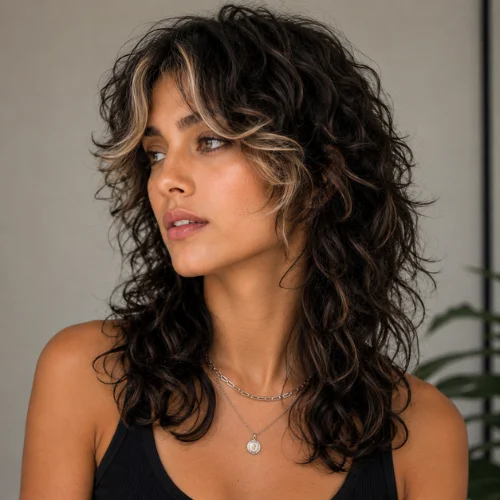
Face-framing waves focus attention around the front of the haircut. Instead of relying entirely on bangs, longer pieces can follow the sides of the face and connect with the rest of the layers.
This approach gives you some of the visual effect of fringe while keeping more length around the forehead. It can also make a medium or long haircut feel more structured.
The important part is where the shortest face-framing pieces finish. With waves and curls, the same cutting point can look very different after the hair dries, so the final position should be planned around the natural texture.
20. Choppy Layers
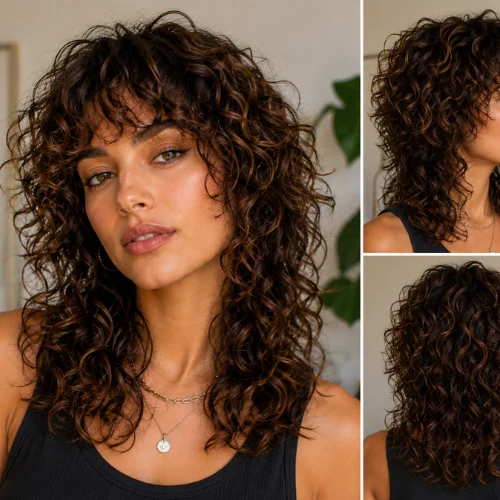
Choppy Layers are one of the strongest visual features of the haircut. They create separation between sections and help curls move instead of sitting as one heavy mass.
However, choppy does not have to mean excessively short. The right amount depends on density, curl pattern, and the amount of volume you actually want.
If your hair is thick, strategic layering can remove excess weight while preserving fullness. If your hair is fine, too many short layers can make the ends appear less substantial.
21. Voluminous Wolf Crop
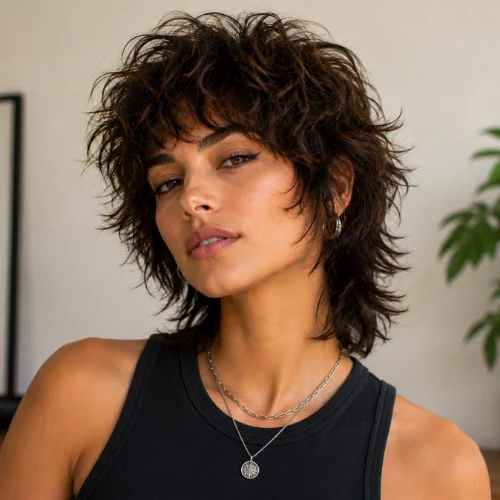
A voluminous wolf crop creates a shorter silhouette with significant emphasis on crown height and texture. It is a stronger choice for someone who wants the haircut to look bold even without elaborate styling.
The shape works particularly well when the natural texture can provide lift. Thick curls can create substantial volume once weight is removed from the crown.
For finer curls, the amount of layering should be more controlled so the hair does not lose too much density through the lower sections.
22. Wet Look Wolf curl
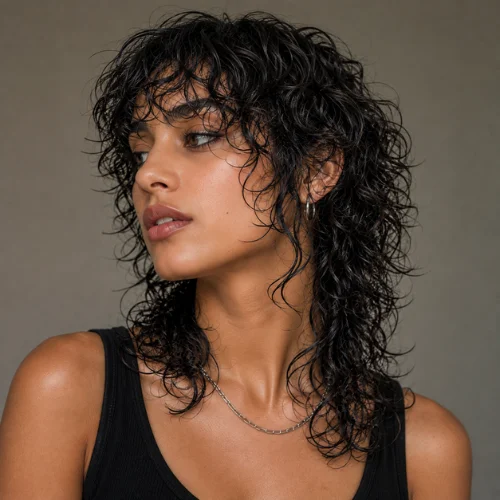
A wet look wolf curl emphasizes definition and shine rather than fluffy volume. It is useful when you want the layers to look deliberately sculpted.
Start with damp hair and distribute a curl-friendly styling product evenly. Scrunch the curls upward, then allow them to dry without repeatedly touching them. A small amount of additional product can be used on selected sections if more shine or separation is needed.
The goal is a glossy, defined appearance rather than hair that is literally wet. Byrdie also includes a wet-look version and notes that a scrunch-and-go approach can work with this type of styling.
23. Curtain Fringe Shag
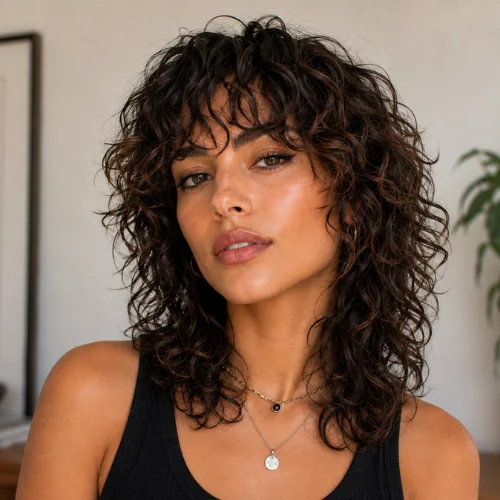
A curtain fringe shag brings the soft, split-at-the-center quality of curtain fringe into a heavily textured haircut. The fringe can blend into longer pieces around the face rather than ending abruptly.
This makes it a useful option if you like the layered appearance but want a softer transition around the forehead.
The distinction between a shag and a wolf cut comes down largely to the shape and degree of layering. A shag tends to feel softer and more blended, while a wolf cut can show shorter layers and stronger differences between lengths.
24. Baby Wolf Cut
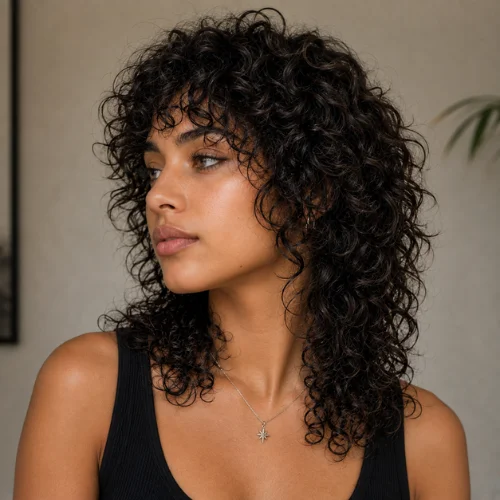
A baby wolf cut is a compact version of the style with shorter overall length and noticeable layering. It has a playful, modern appearance and can work particularly well with natural texture.
Because there is less length to balance the upper layers, curl shrinkage becomes especially important. The final silhouette can become much shorter after drying.
If you want a less dramatic version, keep more length around the sides and back. If you want the cropped effect to be obvious, stronger crown layering can create more lift.
How to do a wolf cut on curly hair
A curly haircut should not be approached exactly like straight hair because shrinkage and curl grouping can change the final shape. For that reason, a professional stylist is the safer choice for a major cut, particularly if you have tight curls or coils.
The general process involves:
Assess the natural texture. Look at the curl pattern, density, shrinkage, and existing length before deciding where the layers should sit.
Establish the desired shape. Decide whether you want a short, medium, or long result and whether the back should feel blended or strongly disconnected.
Plan the crown. The crown determines much of the volume and personality of the cut. Shorter layers create more lift; longer layers create a softer result.
Shape the front. Face-framing sections and fringe should be planned according to how the curls sit when dry.
Build the lower length. Enough weight should remain through the lower sections to prevent the ends from appearing thin.
Recheck the finished shape. Curly hair can change dramatically as it dries, so the final balance should be assessed in its natural state.
The Right Hairstyles and InStyle both emphasize adapting the cut to texture, density, length, and the desired result rather than treating every version the same.
How to style curly wolf cut
Styling a curly wolf cut does not have to involve a complicated routine. The goal is usually to define the natural texture while keeping enough lift for the layers to remain visible.
Start with freshly washed, damp hair. Apply your preferred curl-enhancing product through the lengths, concentrating on areas that need definition without loading the roots with heavy product.
Scrunch the curls upward to encourage their natural pattern. If you want more volume, use a diffuser and focus on the roots. If your curls already have plenty of lift, air-drying can give a softer result.
For a messier finish, avoid separating every curl. Let some pieces group together naturally and allow a small amount of texture to remain visible.
For a more defined finish, use a stronger-hold styling product and avoid touching the hair until it has dried. Once dry, gently soften any stiffness with your hands.
A refresh between wash days can be as simple as lightly misting flattened sections with water or a curl-refreshing product and reshaping them with your fingers. Byrdie’s styling guidance similarly recommends refreshing natural texture rather than trying to make every day look perfectly polished.
The best result comes from choosing a cut that matches how you actually wear your hair. A heavily layered shape may look impressive in an inspiration photo, but the right version is the one that still looks good with your normal curl routine, available styling time, and natural texture.
FAQs About Curly Wolf Cut
Can curly hair get a wolf cut?
Yes. Curly hair can work very well with a wolf cut because the layers enhance natural volume and movement. The cut should be adjusted to your curl pattern and shrinkage for a balanced shape.
Is a wolf cut good for curly hair?
Yes, especially if you want more volume and texture. The layered shape can make curls look fuller while giving the haircut a more relaxed, edgy finish.
Does a curly wolf cut need bangs?
No. You can wear a curly wolf cut with or without bangs. A no-bangs version keeps the forehead open and puts more focus on the layers around the face.
How do you style a curly wolf cut?
Start with damp hair and apply your usual curl-defining product. Scrunch the curls upward, then air-dry or use a diffuser on low heat to keep the layers defined and reduce frizz.
Is a wolf cut suitable for short curly hair?
Yes. A short curly wolf cut can create noticeable volume around the crown while keeping the overall length manageable. The layers can also give short curls a more defined, textured shape.
Conclusion
A curly wolf cut is a great way to give naturally curly hair more shape, volume, and movement without losing its texture.
From short and medium styles to long layers, bangs, fringes, and face-framing pieces, there are plenty of ways to adjust the cut to your curl pattern and preferred length.
The key is choosing layers that work with your natural curl behavior. Whether you prefer a soft, low-maintenance look or a more defined and edgy style, the right curly wolf cut can make your curls look fuller and more dynamic.
Talk to your stylist about your curl pattern, desired length, and how much volume you want before making the cut.